
Stitched vs. Printed Jerseys: The Ultimate Quality Comparison Guide

We have all seen it. You are at a tailgate, and you spot someone wearing a jersey where the number “1” is peeling off, flapping in the wind like a sticker that has lost its stick. It is a heartbreaking sight for any fan.
When buying sports gear, especially online, the biggest decision you face isn’t just which team to pick—it’s choosing the quality. Do you go for the cheaper screen printed jersey, or do you invest in a stitched (tackle twill) jersey?
At Ujersery, we believe every fan deserves the “Pro” look without the pro price tag. That is why we specialize in high-quality stitched gear. But what exactly is the difference? Let’s break down the battle of Stitched vs. Printed Jerseys to help you make the right call.
The Screen Printed Jersey (Heat-Sealed)
If you walk into a standard sporting goods store and grab the most affordable jersey on the rack (often called a “Game” jersey), you are likely holding a screen-printed product.
How it works:
The numbers, names, and sometimes even the logos are made of a thin layer of vinyl or silicon. These are applied to the fabric using high heat, essentially “ironing” them onto the shirt.
-
The Pros: They are lightweight and breathable.
-
The Cons: They are notorious for peeling, cracking, and fading over time. One accidental trip through a hot dryer can ruin the design forever.
The Stitched Jersey (Tackle Twill & Embroidery)
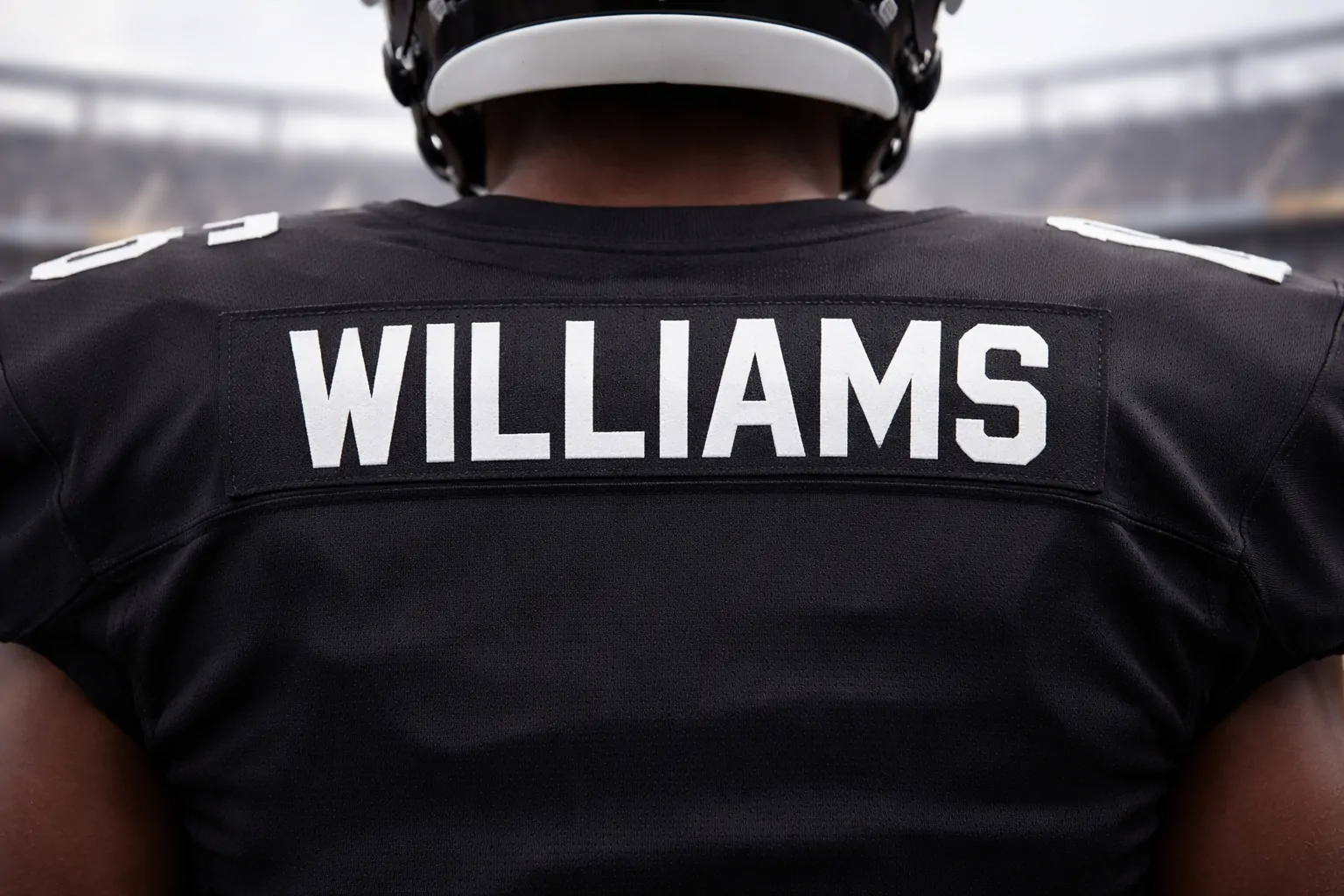
This is the gold standard. When you see players on the field, they aren’t wearing stickers. They are wearing jerseys with tackle twill numbers.
How it works:
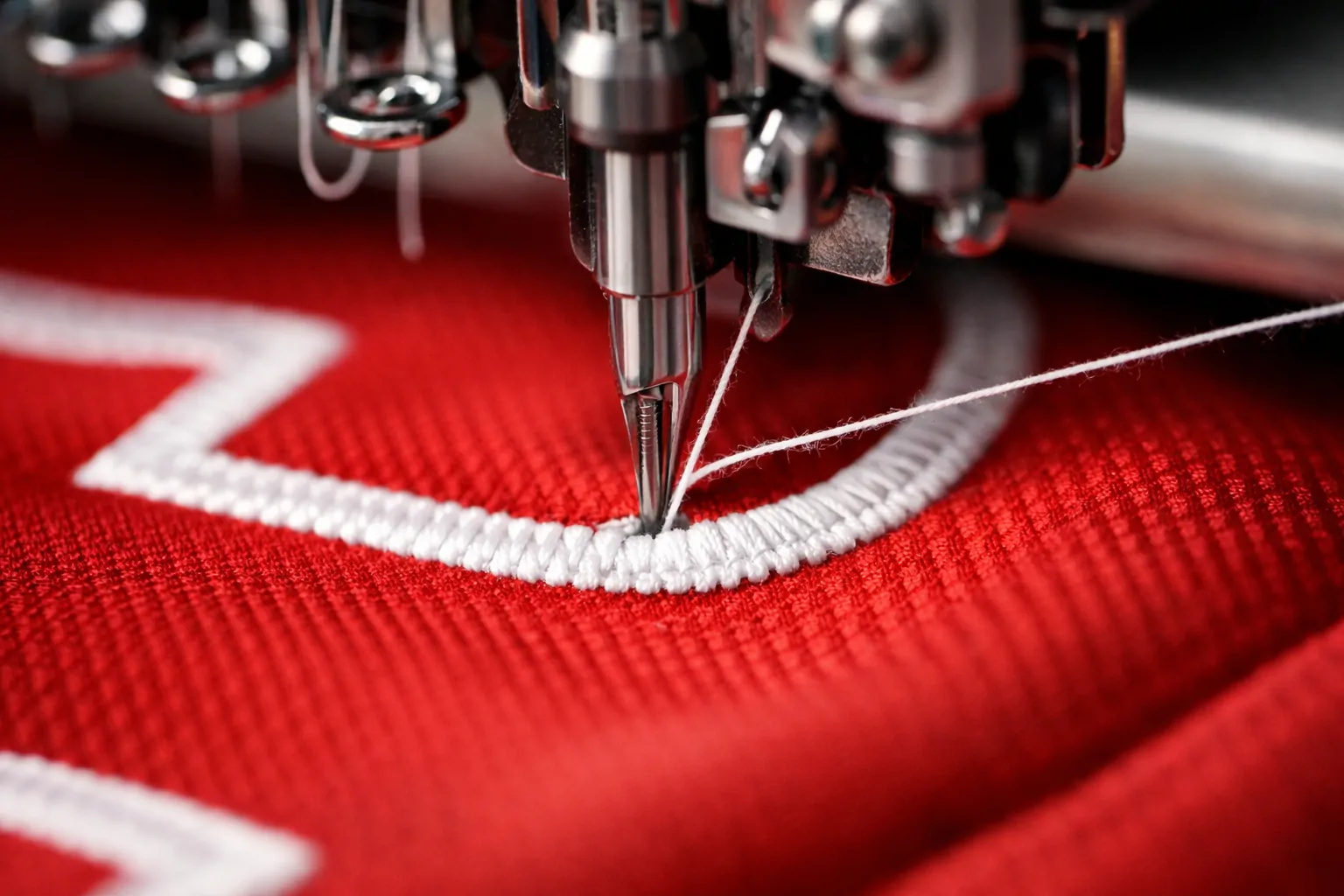
“Tackle Twill” refers to a durable polyester/nylon fabric used for the numbers and letters. These pieces are cut out and then physically sewn (stitched) onto the jersey body, often with a zig-zag embroidery pattern around the edges.
-
The Pros: Incredible durability, a premium 3D texture, and an authentic “on-field” look.
-
The Cons: The materials are slightly heavier, giving the jersey a more substantial feel.
Head-to-Head Comparison: Why Details Matter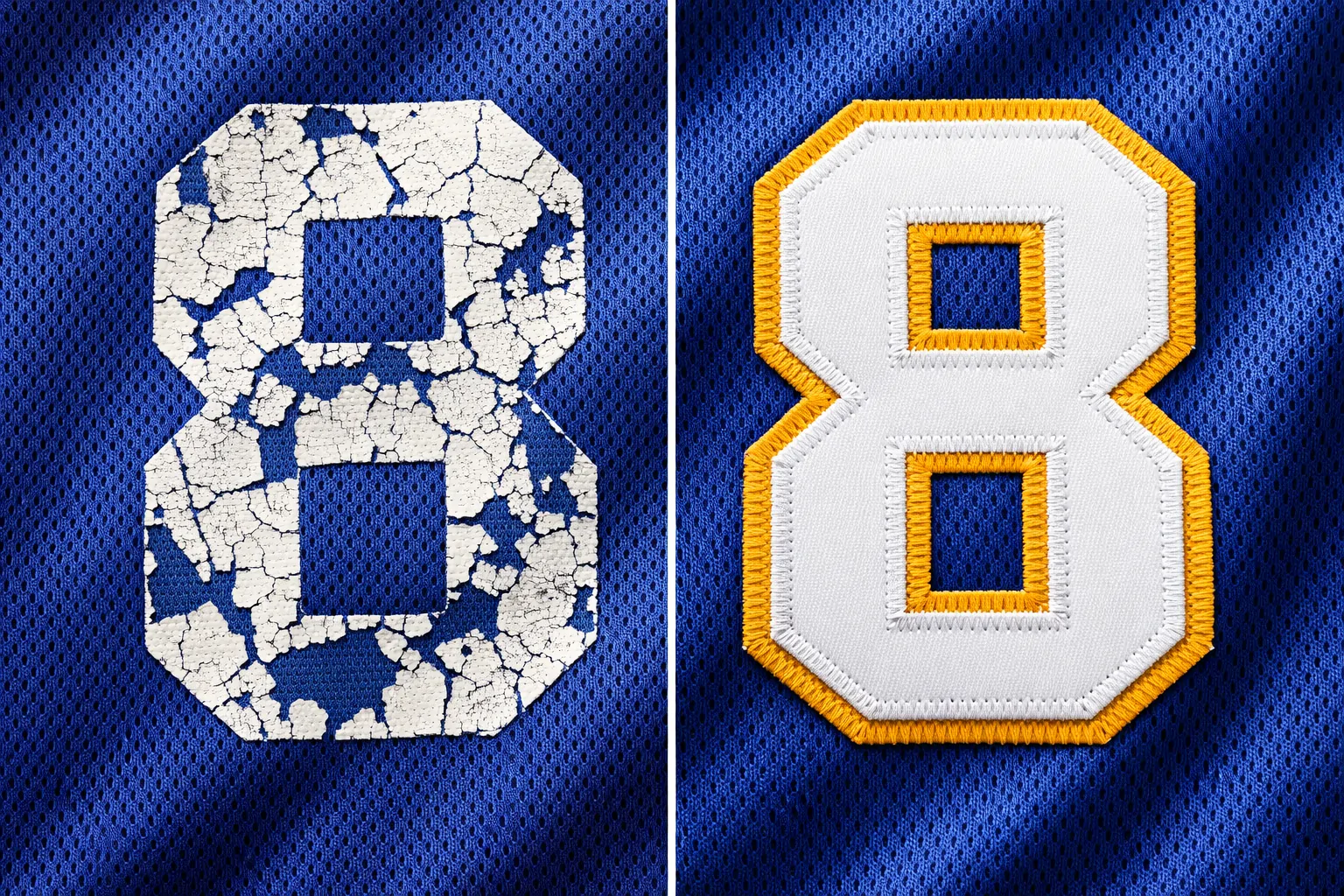
Let’s look at why stitched NFL jerseys are the preferred choice for serious fans.
1. Longevity
A printed number relies on glue. Glue eventually dries out, cracks, or melts. A stitched number relies on thread. Unless you rip the thread out, that number is staying put. Years from now, a stitched jersey will look nearly as good as the day you bought it.
2. Aesthetics
There is a distinct difference in how light hits the jersey. Screen prints look flat and shiny (in a plastic way). Stitched tackle twill has texture, depth, and a matte finish that looks professional. It screams “official style.”
3. Price (The Myth vs. Reality)
Historically, you had to pay $150 to $300 for a stitched “Elite” or “Limited” jersey. Printed ones were the “cheap” $100 option.
At Ujersery, we have flipped this script. By working factory direct, we offer premium stitched football jerseys for around $39.99. You no longer have to compromise quality to save money.
The Ujersery Advantage: Premium Quality at a Fraction of the Cost
We refuse to sell cheap stickers. When you browse our Football Jerseys or Custom Baseball Jerseys, you are looking at gear designed to last.
Our commitment is simple: Official Style, Affordable Price.
-
Embroidered Logos: We don’t just print the team logo; we stitch it.
-
Sewn Nameplates: The name on the back is stitched onto a nameplate, which is then stitched onto the jersey—just like the pros.
Quick Tips for Spotting a Stitched Jersey
Not sure what you have in your closet? Here is how to check:
-
Rub your finger over the edge of the number. If it feels smooth and flat like a decal, it’s printed. If you feel a raised ridge of thread, it’s stitched.
-
Look inside. Turn the jersey inside out. On a stitched jersey, you will often see the stitching or a backing material where the numbers are sewn on.
Conclusion: Invest in a Jersey That Lasts
Don’t let your fandom peel away. Whether you are cheering for the Kansas City Chiefs, San Francisco 49ers, or your local college team, you deserve gear that can survive the season—and the wash.
Ready to upgrade your wardrobe? Experience the difference of tackle twill today.
Shop Our Stitched Football Jerseys
Frequently Asked Questions (FAQ)
Are stitched jerseys heavier?
Yes, slightly. The tackle twill numbers and embroidery thread add a bit of weight compared to a thin layer of vinyl. Most fans prefer this as it feels like a higher-quality garment.
Do stitched jerseys run smaller?
Because the stitching adds structure to the fabric, these jerseys have less “stretch” than printed ones. We generally recommend sizing up for a comfortable fit. Check our Size Chart for details.
How do I wash a stitched jersey?
To keep the stitching pristine, wash your jersey inside out in cold water. Never use high heat in the dryer; hang drying is always best to prevent the twill from warping.
Why are stitched jerseys usually so expensive?
Stitching requires more labor and higher-quality materials than printing. Big retailers mark this up significantly. At Ujersery, we cut out the middleman to bring you stitched quality at a printed price